Welcome!

Learn more about my work at the interface of genomics, machine learning, molecular biology, and data science.

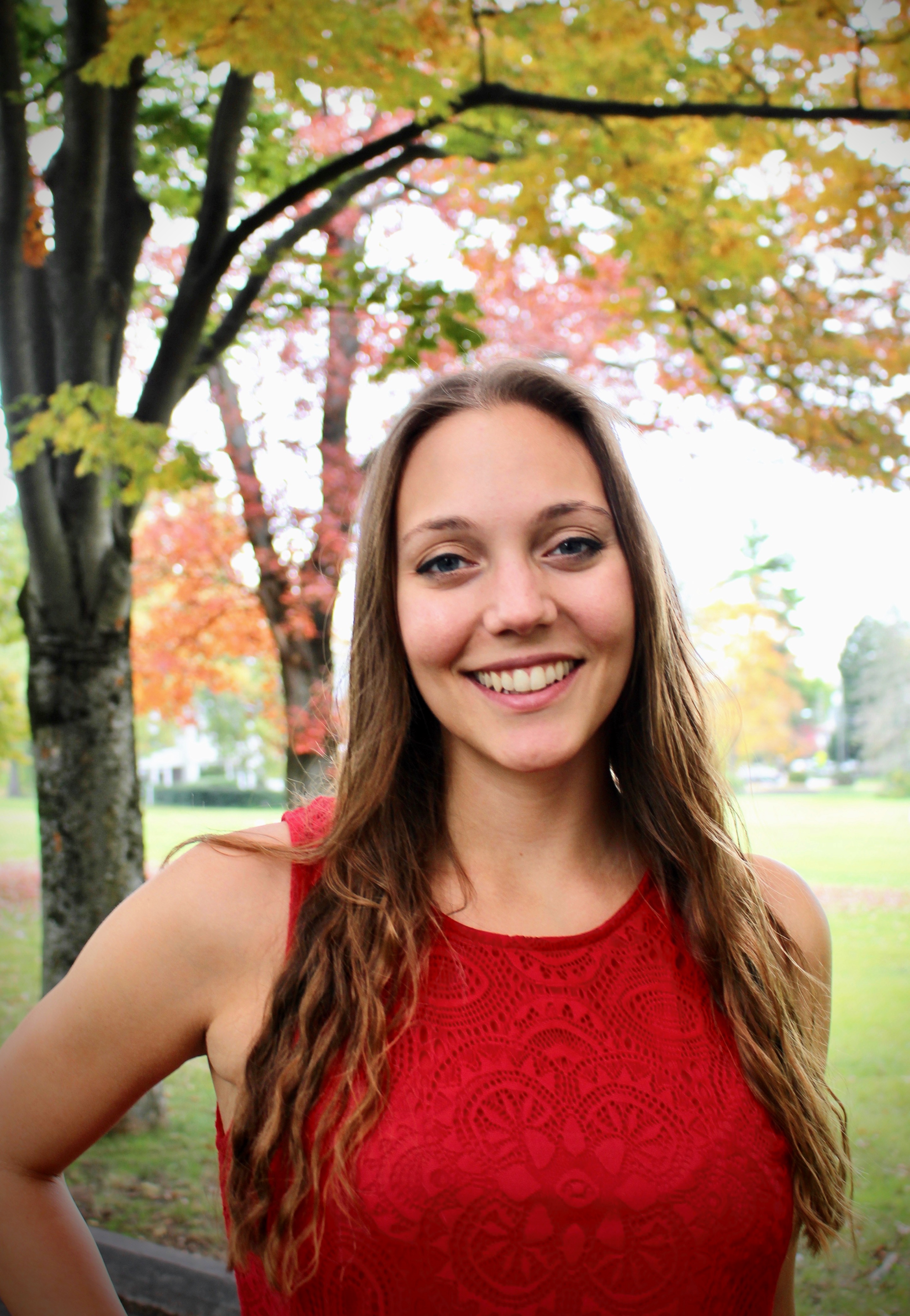
I have both a computational and wet lab biology background, with Bachelor's degrees in Biology and Computer Science from the University of Richmond and a Ph.D. in Quantitative and Computational Biology from Princeton University. I'm primarily intrigued by problems in systems biology and genomics - particularly in the context of human disease - and recieved a National Science Foundation Graduate Research Fellowship (GRFP) to study the transcriptional effects of somatic variation using machine learning for my Ph.D. thesis under Dr. Mona Singh. Currently, I am a postdoctoral research associate at Duke University developing computational methods that harness CRISPR perturbation data to understand the genetics and epigenetics of cellular state changes. I am jointly mentored by Drs. Gregory Crawford, Charles Gersbach, and Rohit Singh of Duke University and Raluca Gordan of UMass Chan Medical School. Outside the lab, I am an avid outdoor explorer, traveler, baker, cat lover, and amateur fine artist.
Publications

My published work, with additional publications from my doctoral thesis in preparation for submission
in 2025.

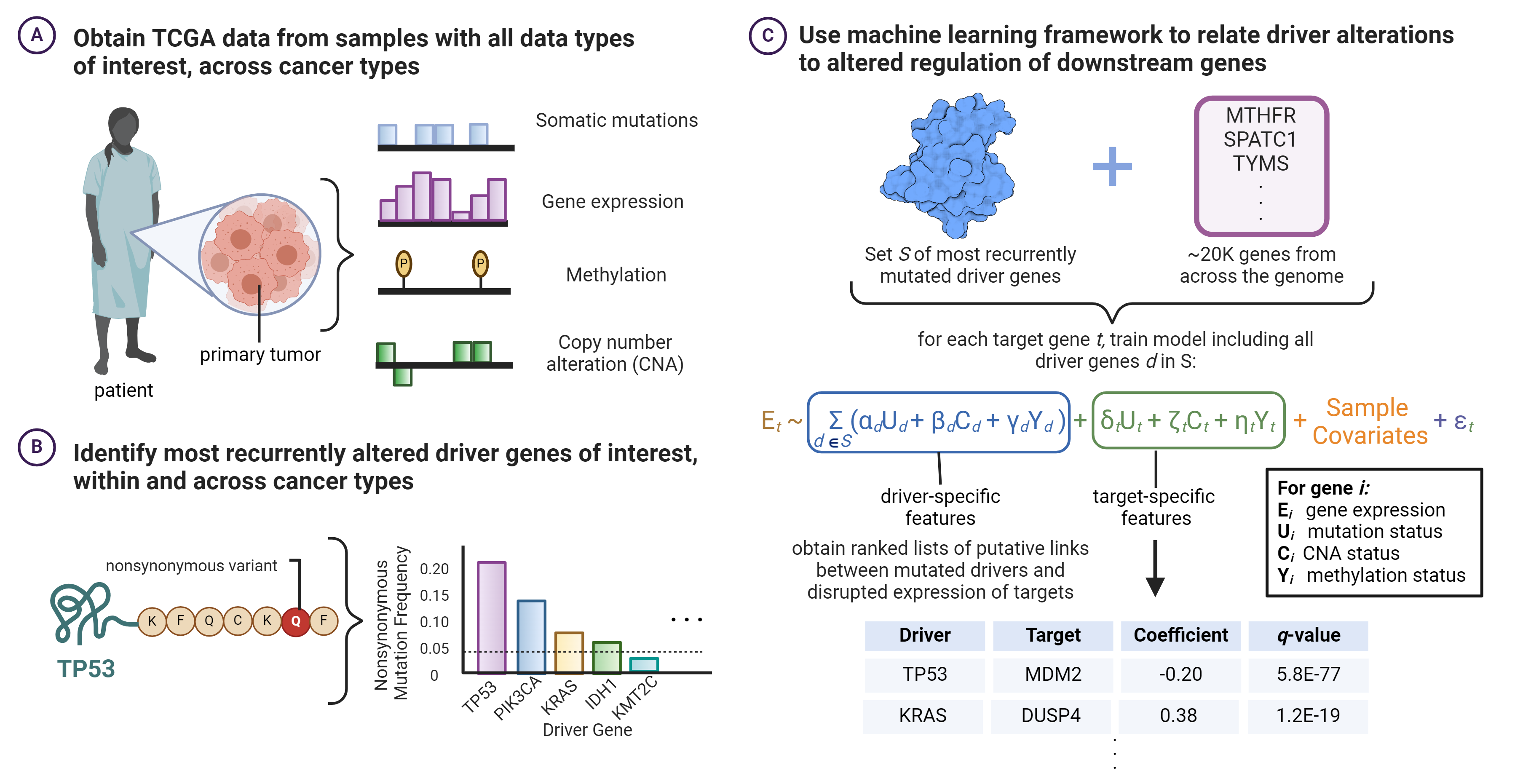
Integrative Computational Framework, Dyscovr, Links Mutated Driver Genes to Expression Dysregulation Across 19 Cancer Types

Puts forth a machine learning method, Dyscovr, that leverages mutation, gene expression, copy number alteration (CNA), methylation, and clinical data to uncover putative relationships between nonsynonymous mutations in key cancer driver genes and transcriptional changes across the genome. https://doi.org/10.1101/2024.11.20.624509

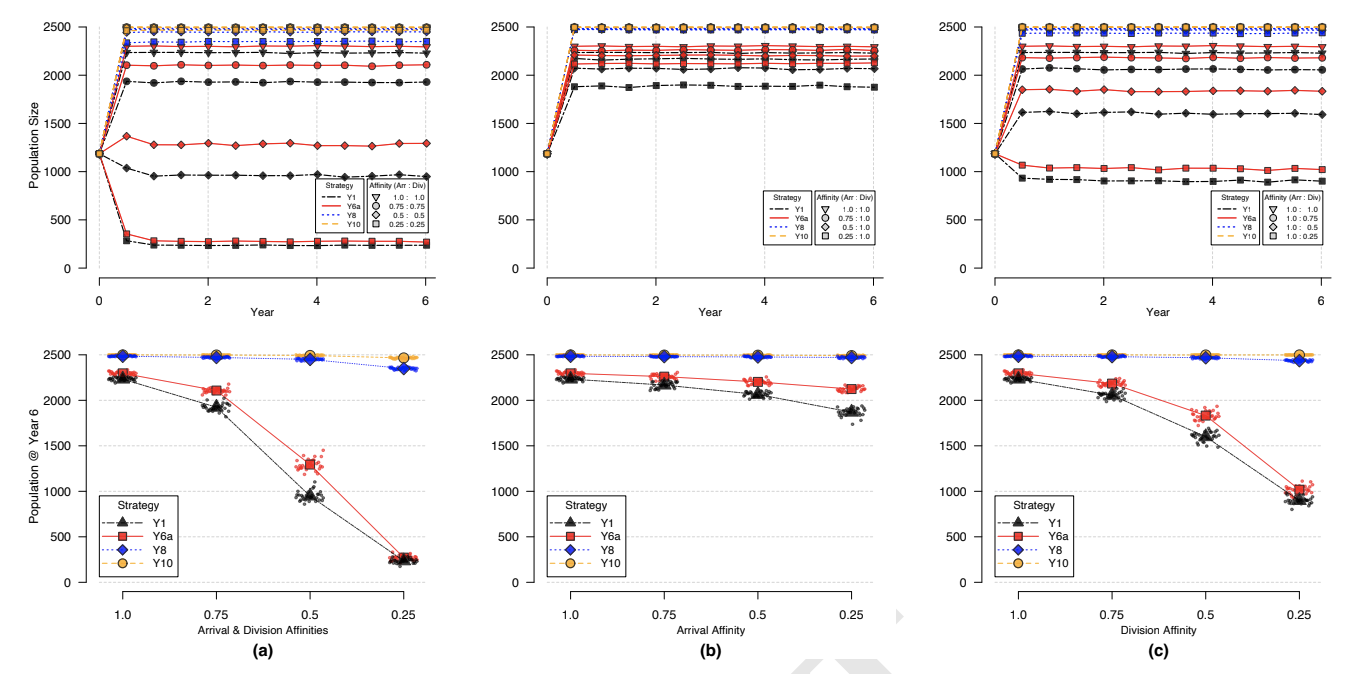
Sustained Beneficial Infections: Priority Effects, Competition, and Specialization Drive Patterns of Association in Intracellular Mutualisms

Present an agent-based model (ABM) that simulates competition of multiple symbiont species, each with varying strategies, within a host. This model provides insight on strategies that lead to exclusion and/or co-occupancy, as well as the important role of host-symbiont specificity. https://doi.org/10.3389/fevo.2023.1221012

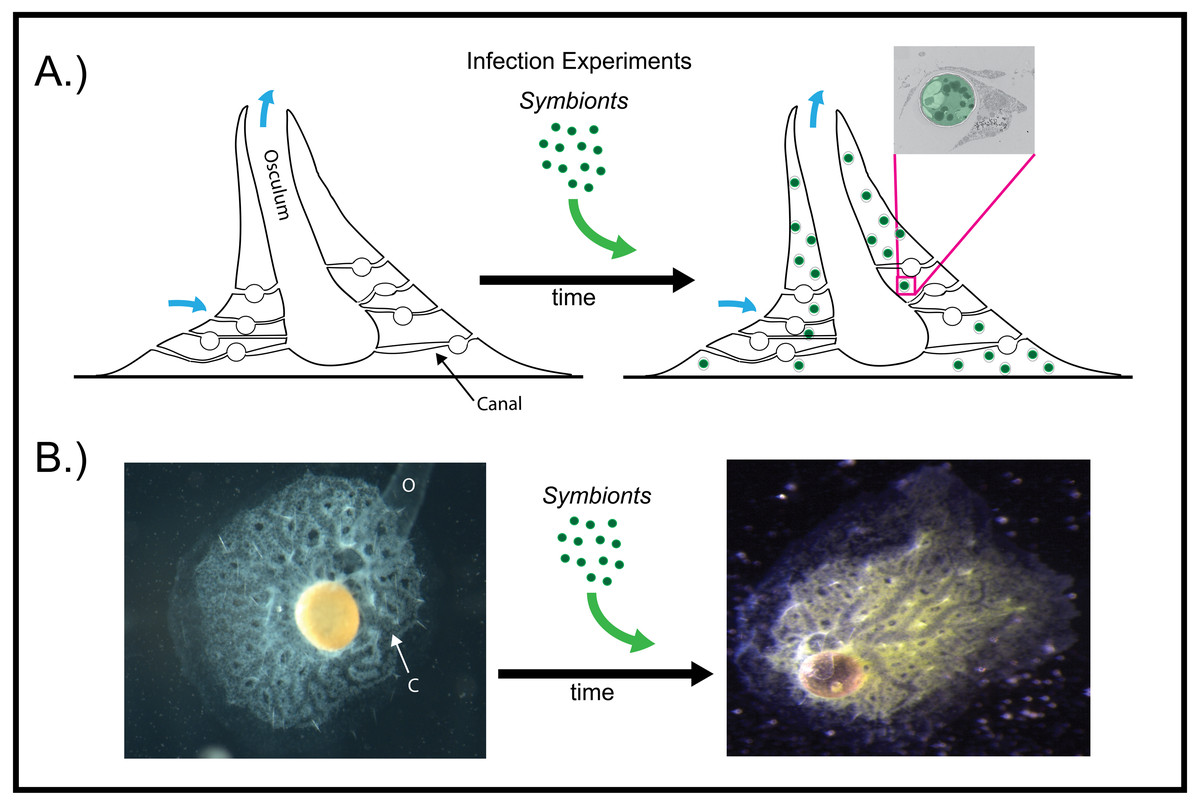
Establishment of Host–Algal Endosymbioses: Genetic Response to Symbiont Versus Prey in a
Sponge Host

Discovered genetic pathways involved in establishment of durable intracellular endosymbioses in a freshwater sponge:algal symbiont model system, specifically as compared to pathways involved in recognizing potential prey. https://doi.org/10.1093/gbe/evab252

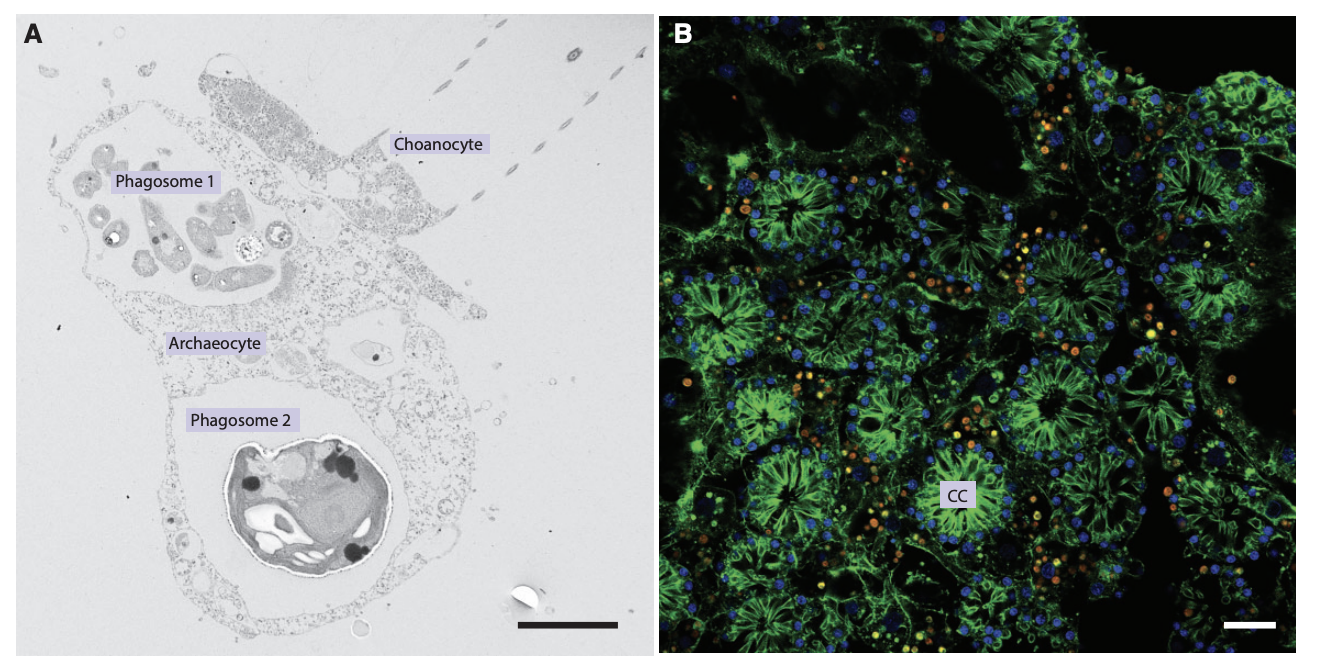
Freshwater sponge hosts and their green algae symbionts: a tractable model to understand intracellular symbiosis

Use a combination of confocal microscopy, RNA-sequencing and bioinformatic techniques to explore conserved evolutionary pathways that may lead to stable mutualistic endosymbioses, using freshwater sponges and their intraceullar resident algae as a model system. https://doi.org/10.7717/peerj.10654

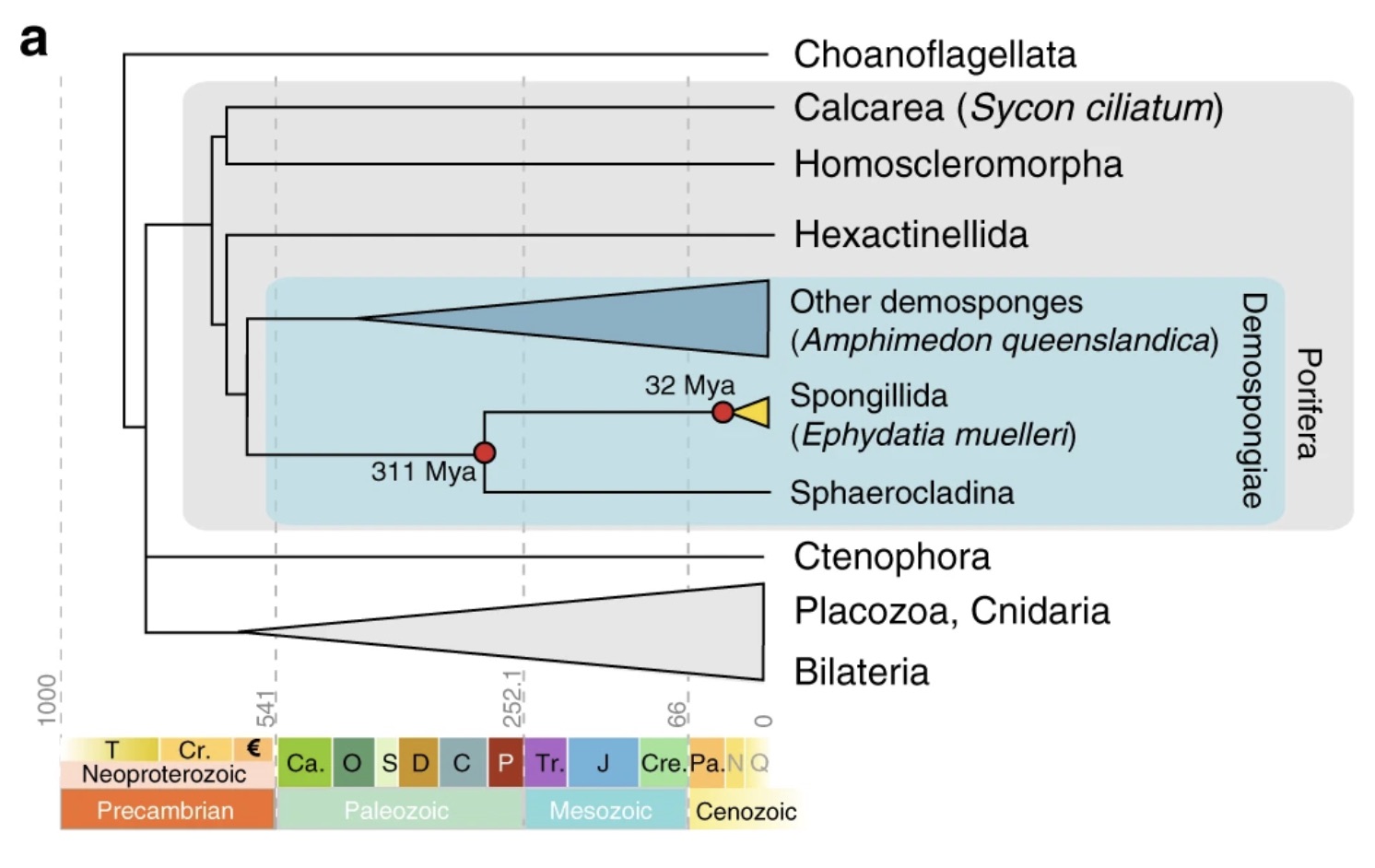
Tracing animal genomic evolution with the chromosomal-level assembly of the freshwater sponge Ephydatia muelleri

Present the assembled E. muelleri genome, a freshwater sponge in the Porifera family and a key resource in understanding the evoluation of animal-specific traits like the nervous system. https://doi.org/10.1038/s41467-020-17397-w<

CV

Unable to display PDF file. Download instead.

Conferences

  • International Society for Computational Biology (ISMB) Meeting, Poster (2024)
  • NCI Spring School on Algorithmic Cancer Biology, Lightning Talk and Poster (2024)
  • Genome Informatics at Cold Spring Harbor Laboratory, Poster (2023)
  • CRA-WP Grad Cohort, Poster (2022), Scholarship Recipient
  • Ludwig Science Meeting, Princeton Branch, Talk (2021)
  • Teaching, Mentorship, & Outreach

    I have experience creating course materials, designing and implementing interactive lectures, and mentoring undergraduates and graduate students on research projects. I am also involved in scientific outreach efforts, both to support the next generation of scientists and to engage with the public about exciting science.

    • Genomics and Computational Molecular Biology (QCB455), Teaching Assistant
    • Genomics (QCB311), Teaching Assistant
    • SciComm Bootcamp: Building Science Advocacy Skills, from Social Media to Capitol Hill, Designer and co-facilitator
    • Crash Course in Genomics (Princeton SPLASH), Designer and co-facilitator

    • I am also a recipient of Princeton's Teaching Transcript Certificate for successful completion of training, coursework, and observations related to teaching excellence. At Duke, I completed the Center for Integration of Research, Teaching, and Learning's course: "An Introduction to Evidence-Based Undergraduate STEM Teaching".

    Mentorship

    Scientific Mentorship
  • Lizet Lopez, North Carolina School of Science and Math '26 (Statistical methods for uncovering effective combinations of TF perturbations for the conversion of induced pluripotent stem cells to mature neurons, 2025-2026).
  • Suhani Balachandran, Princeton COS '25 (Using long-read single cell RNA-seq data in glioblastoma to uncover transcriptional impacts of driver gene mutations within and across clonal populations, 2022-2024, ReMatch+ program). Suhani was accepted to Memorial Sloan Kettering Computational Biology Summer Program (2023 and 2024).
  • Yuqi Zhang, Princeton COS GS (Applying Canonical Correlation Analysis (CCA) to jointly model the pan-genome transcriptional effects of cancer driver mutations, 2024).
  • Zhiyue Zhang, Princeton COS GS (Quantifying the modulatory effects of ancestry-relevant variants on transcriptional impact of mutated cancer driver genes, 2023).
  • Amey Pasarkar, Princeton QCB GS (Bayesian group LASSO approaches to uncover transcriptional impacts of driver mutations in cancer, 2022).

  • Professional Mentorship and Service
  • Penny Pilgram George Women's Leadership Initiative Mentor (Provide one-on-one professional mentorship of Duke undergraduate students)
  • Princeton McGraw Center for Teaching and Learning, Graduate Peer Coach (Provide personalized coaching for Princeton graduate students, develop and facilitate programming for graduate students (including a popular and long-running "Imposters Anonymous" workshop for imposter stress), and lead events to expand and improve mentorship opportunities across campus)
  • Strive for College, Mentor (Mentor female high school students from underserved backgrounds on various aspects of preparing for, applying to, and securing financial aid for college)
  • Quantitative and Computational Biology Program, Peer Mentor, Colloquium Organizer, and Graduate Interviewer

  • Scientific Outreach
  • Biotechnology High School, Advisory Board Member
  • Princeton Insights, Co-Founder and Editor (Online publication that highlights groundbreaking Princeton research through short, accessible reviews: www.insights.princeton.edu)
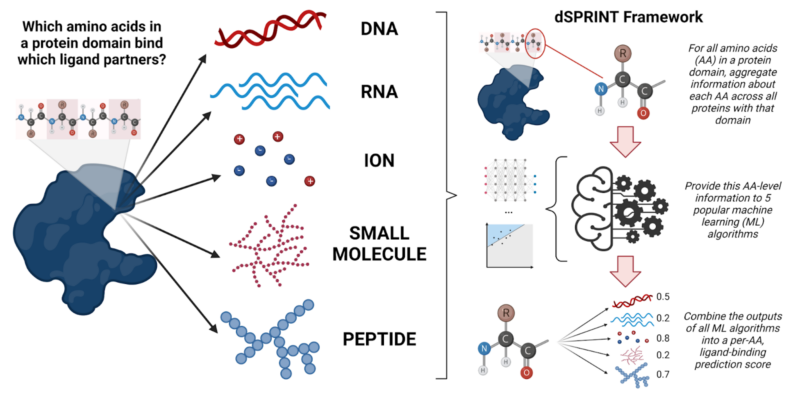
  • dSPRINT: Machine learning for uncovering protein-ligand interaction sites

    My Princeton Insights review of a tool from the Singh lab, dSPRINT, that uses machine learning to make per-residue predictions of protein-ligand binding.

    Photo Gallery (Just for Fun!)

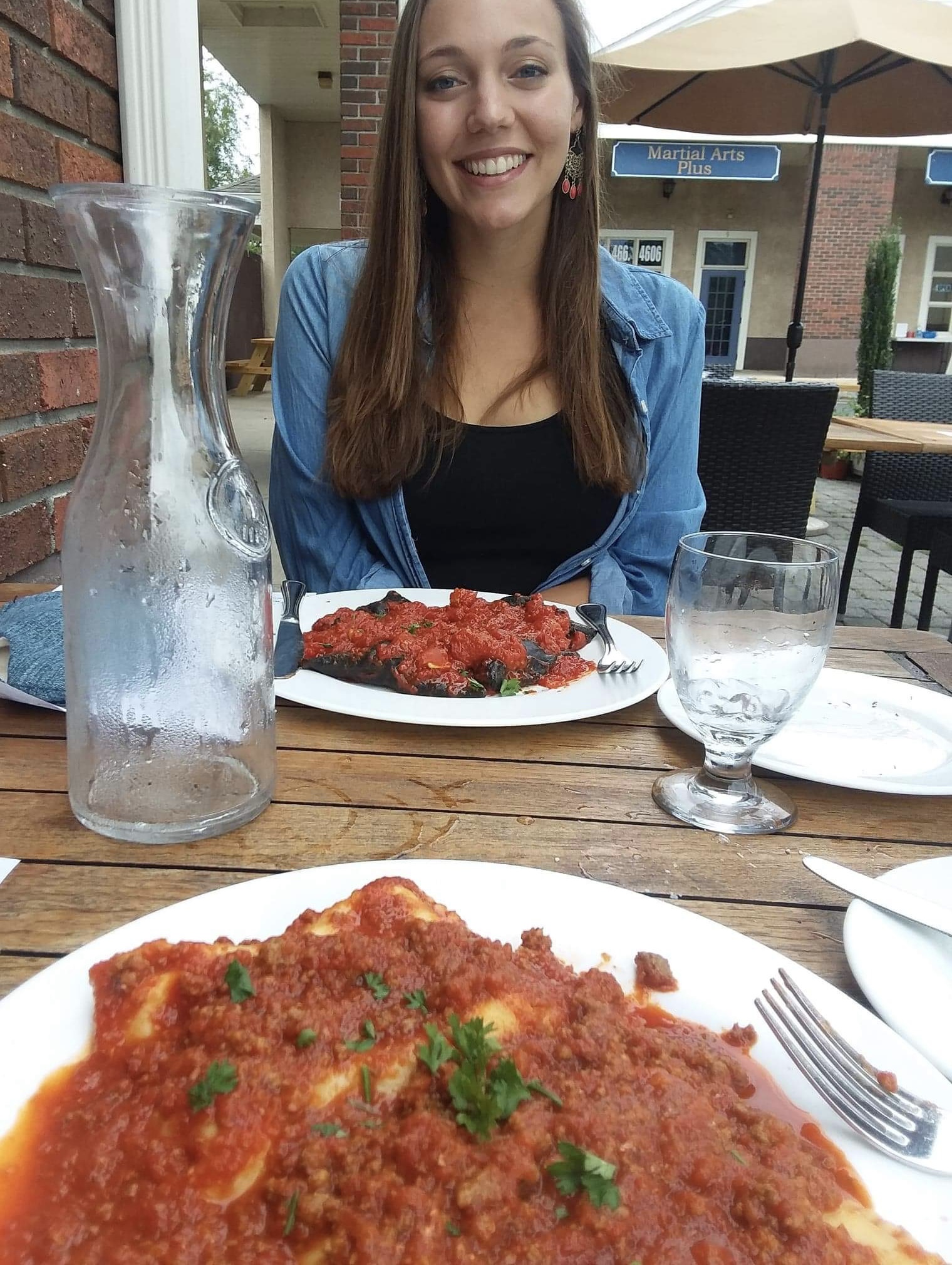
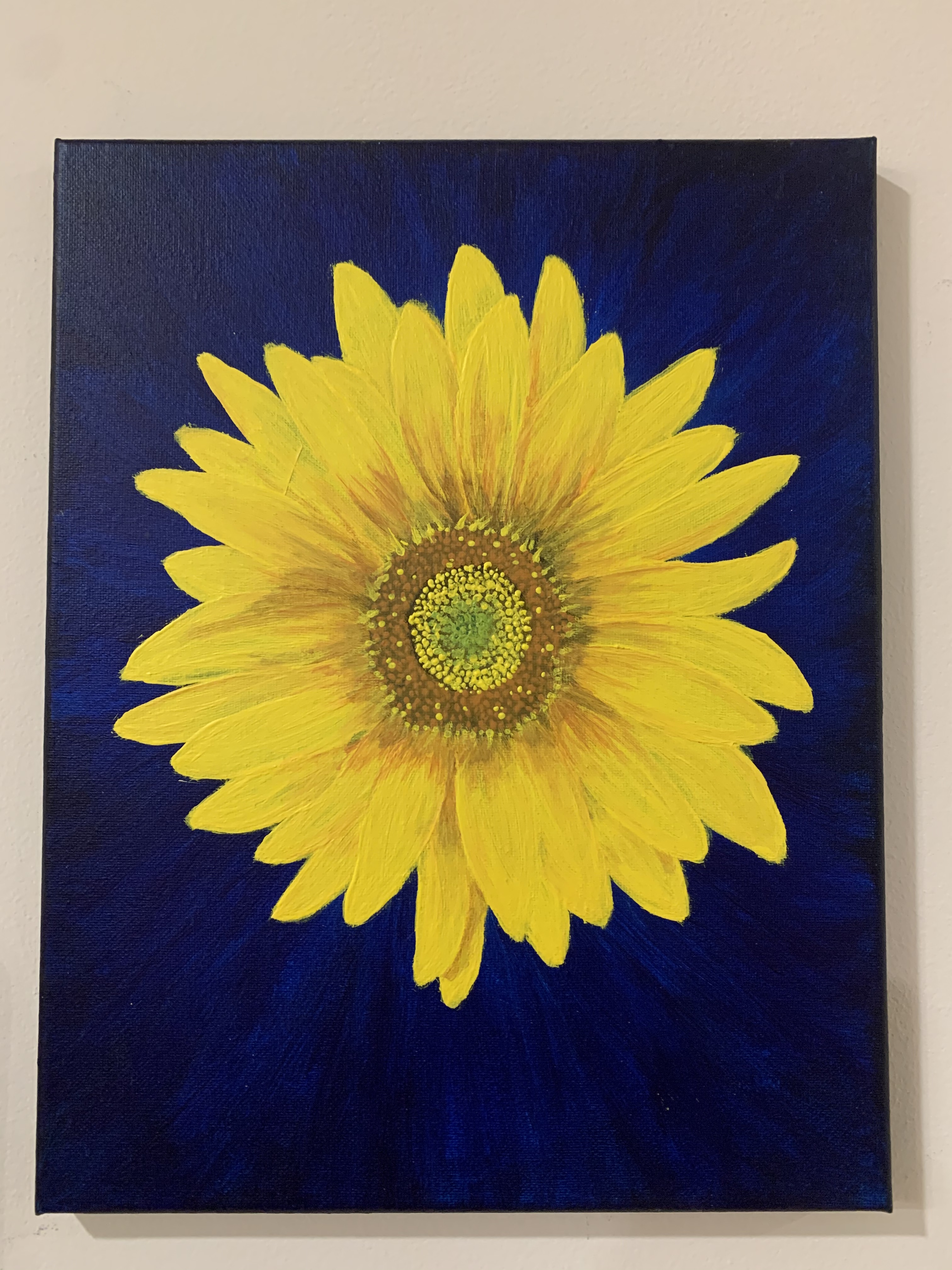
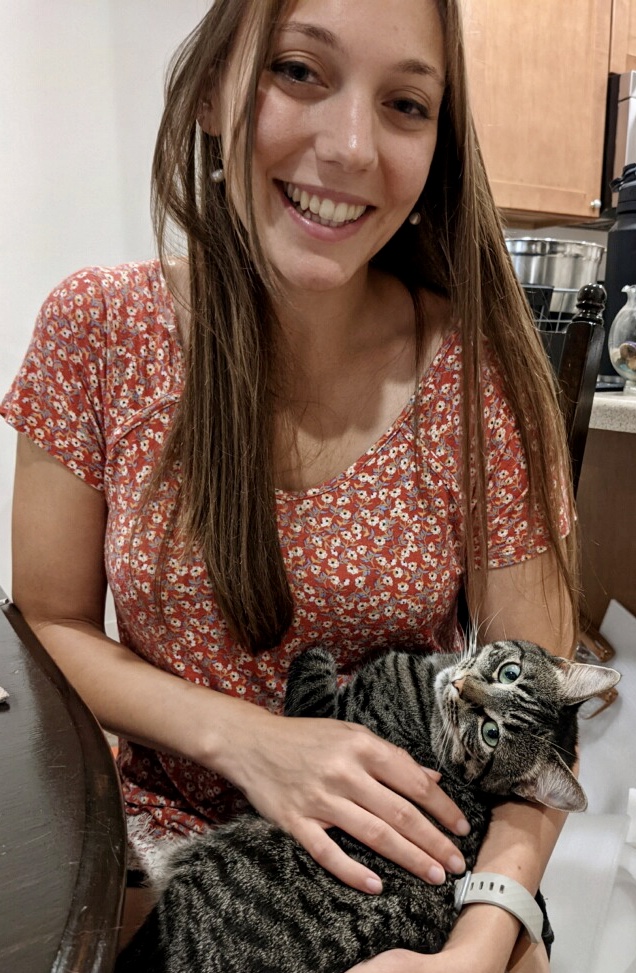
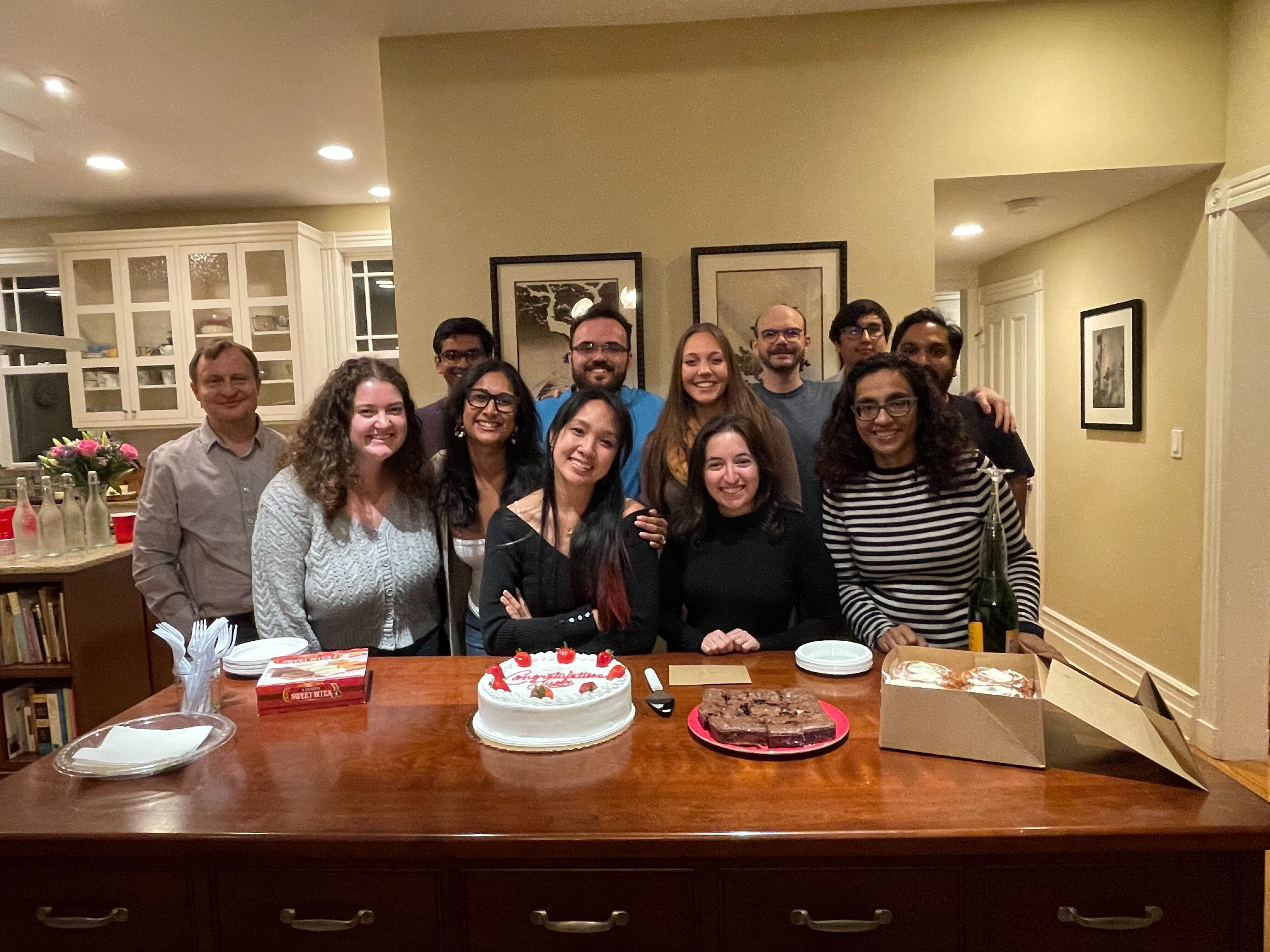
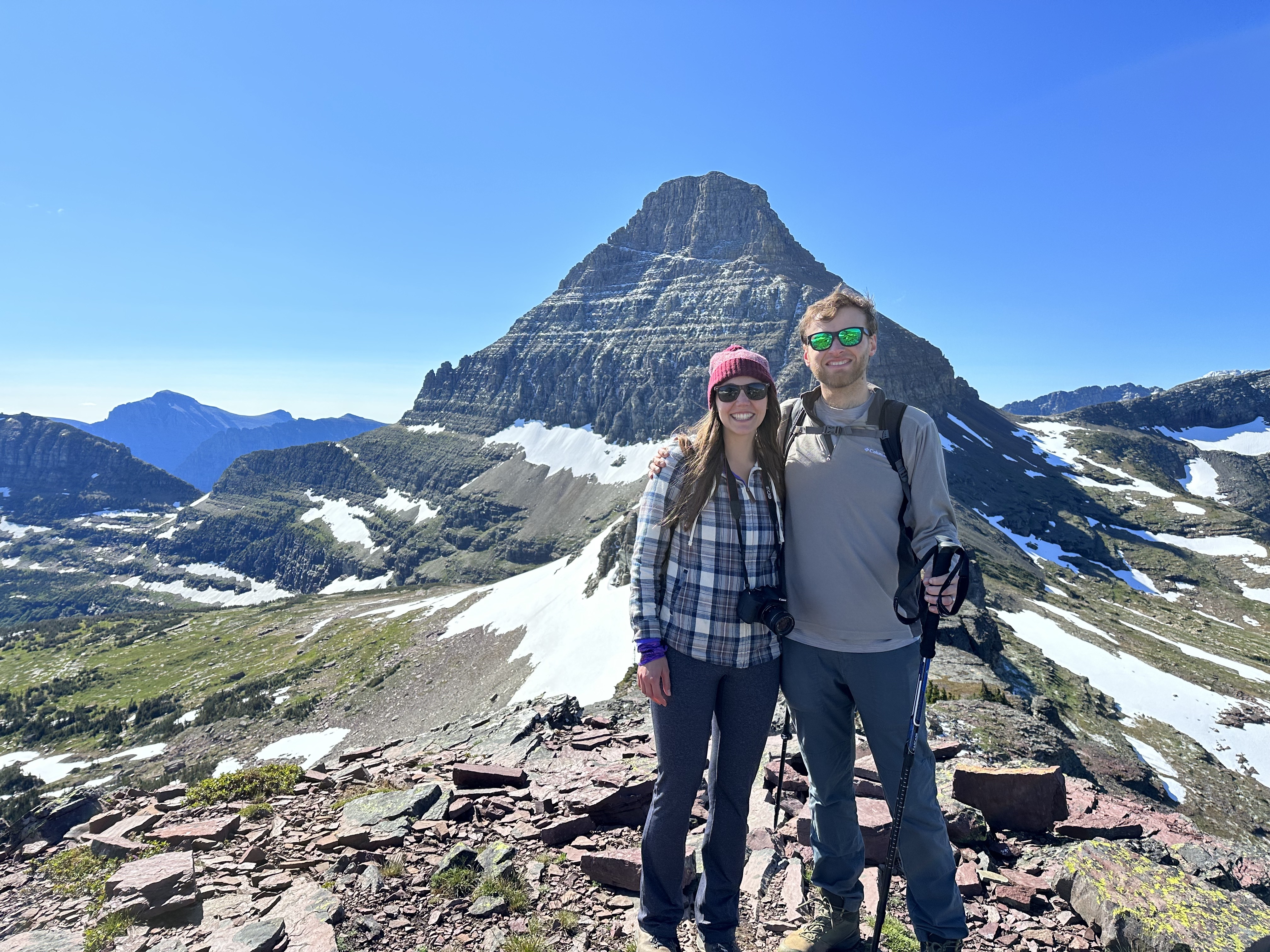
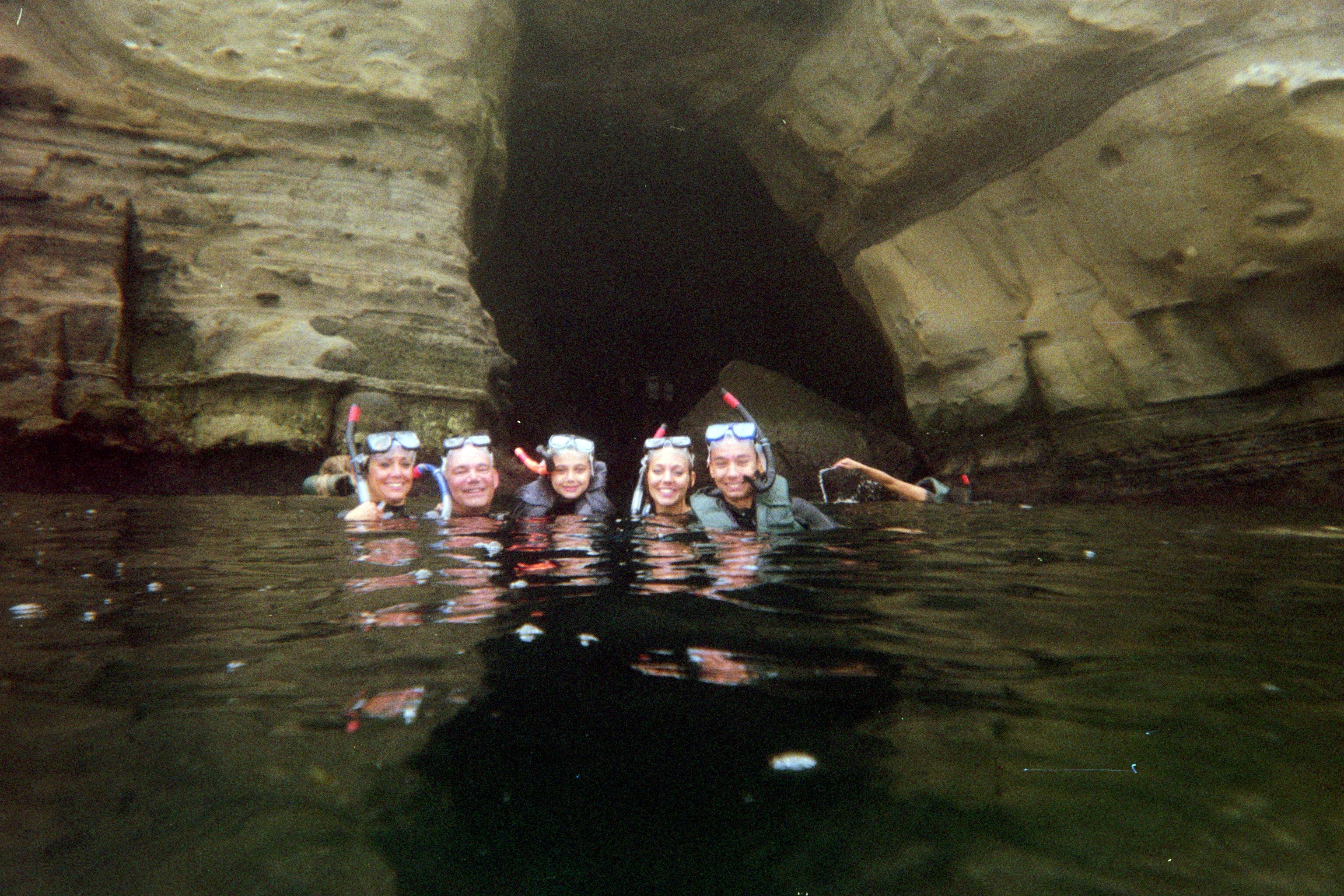
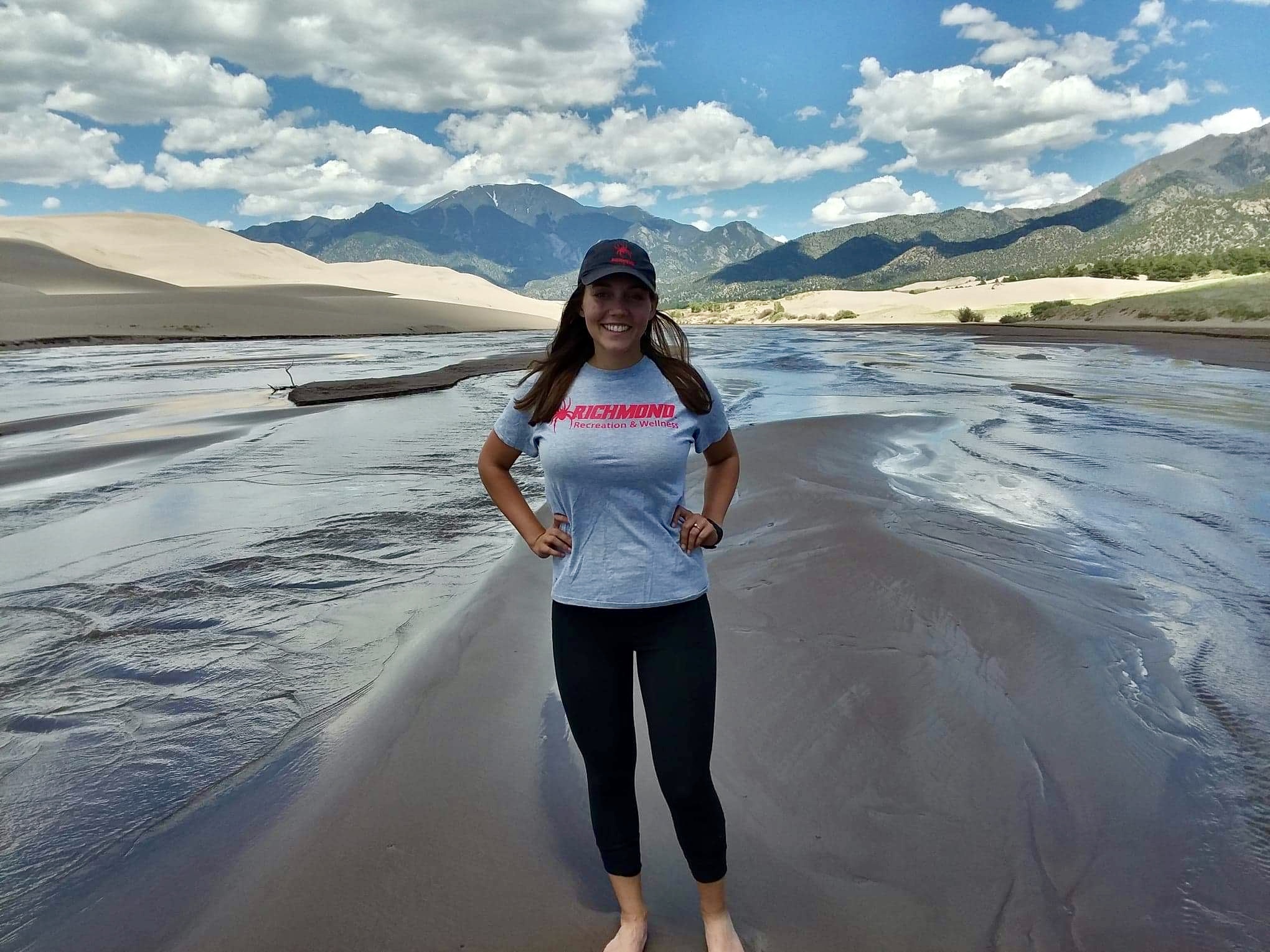
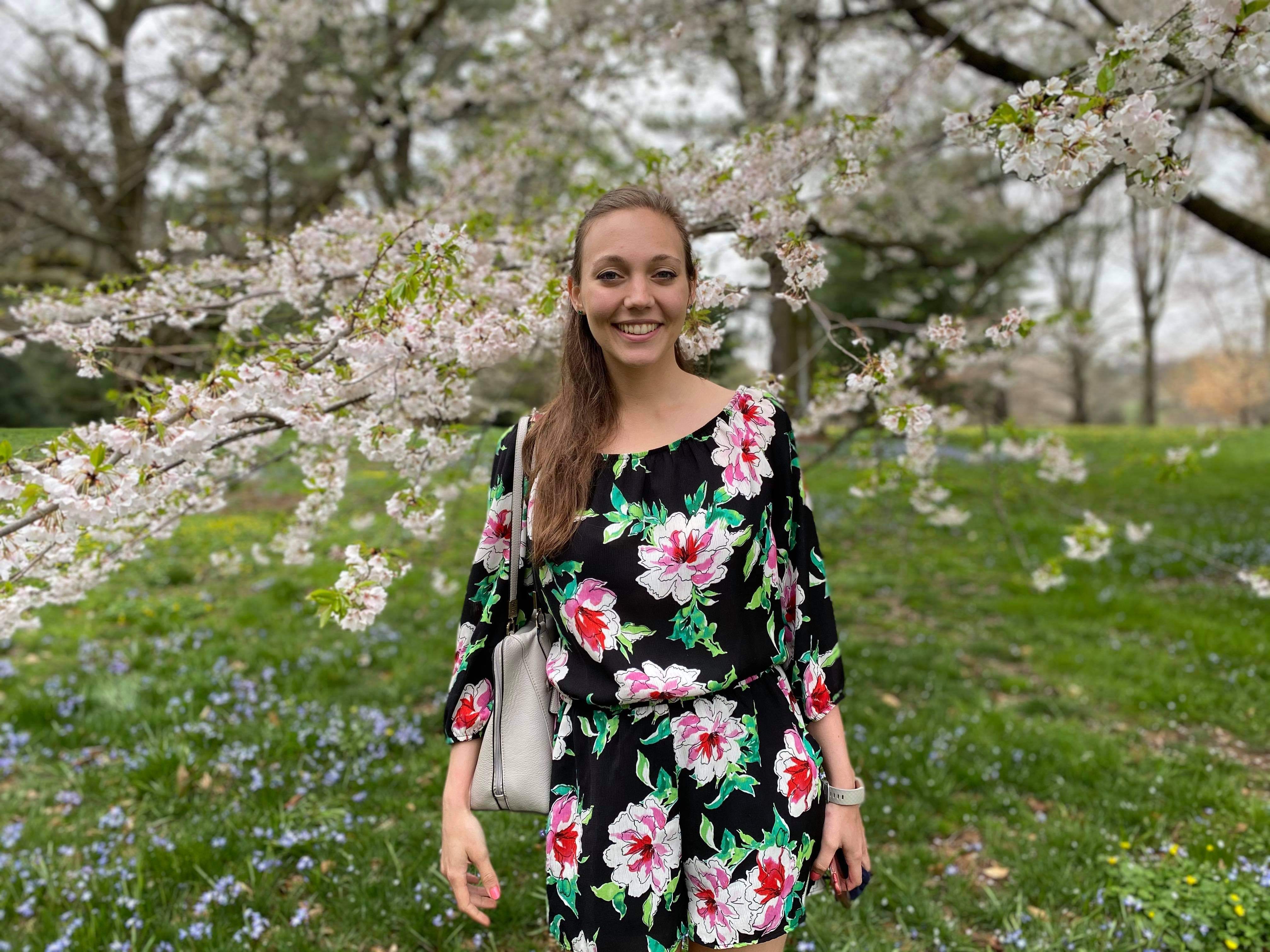
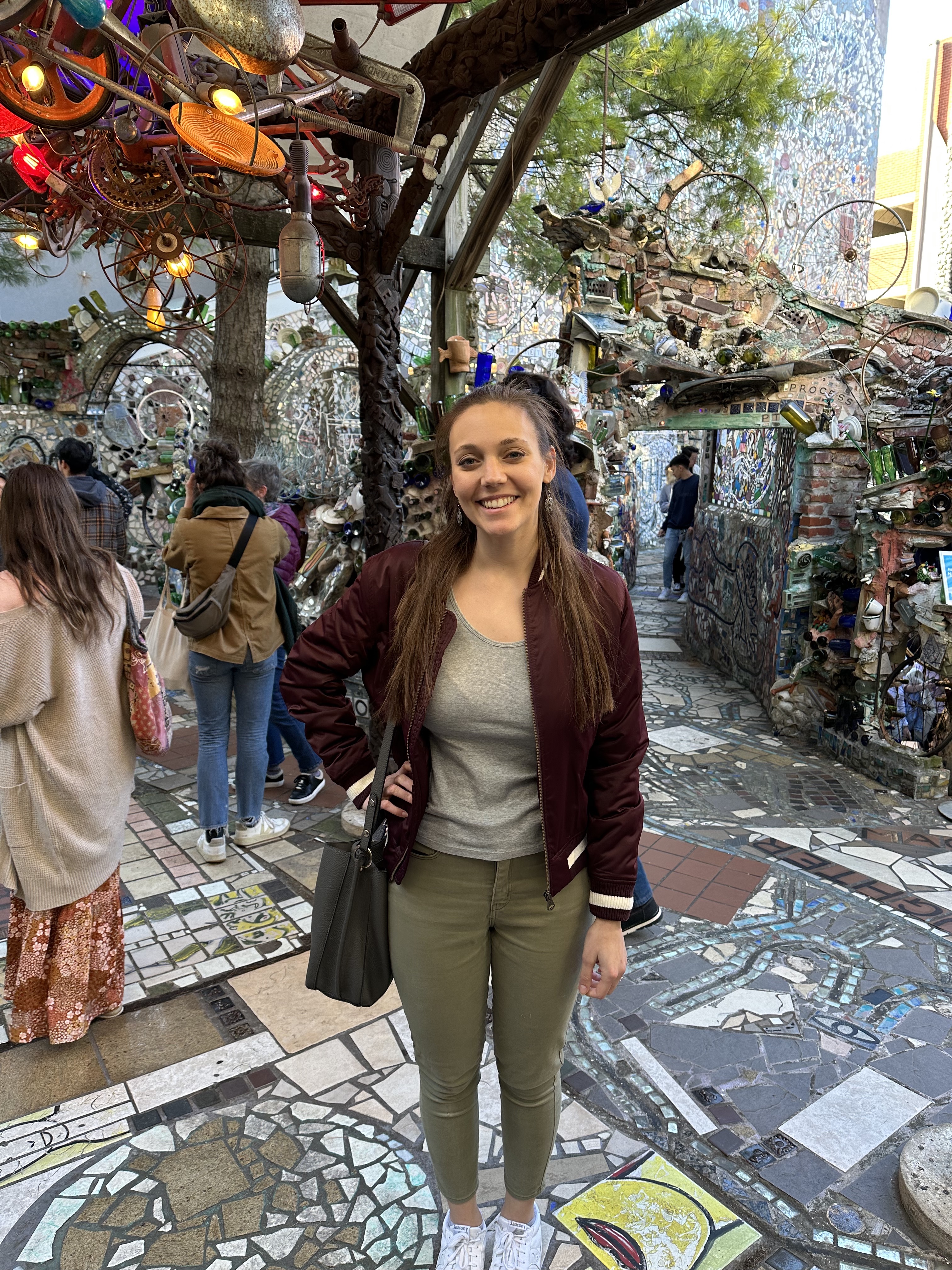
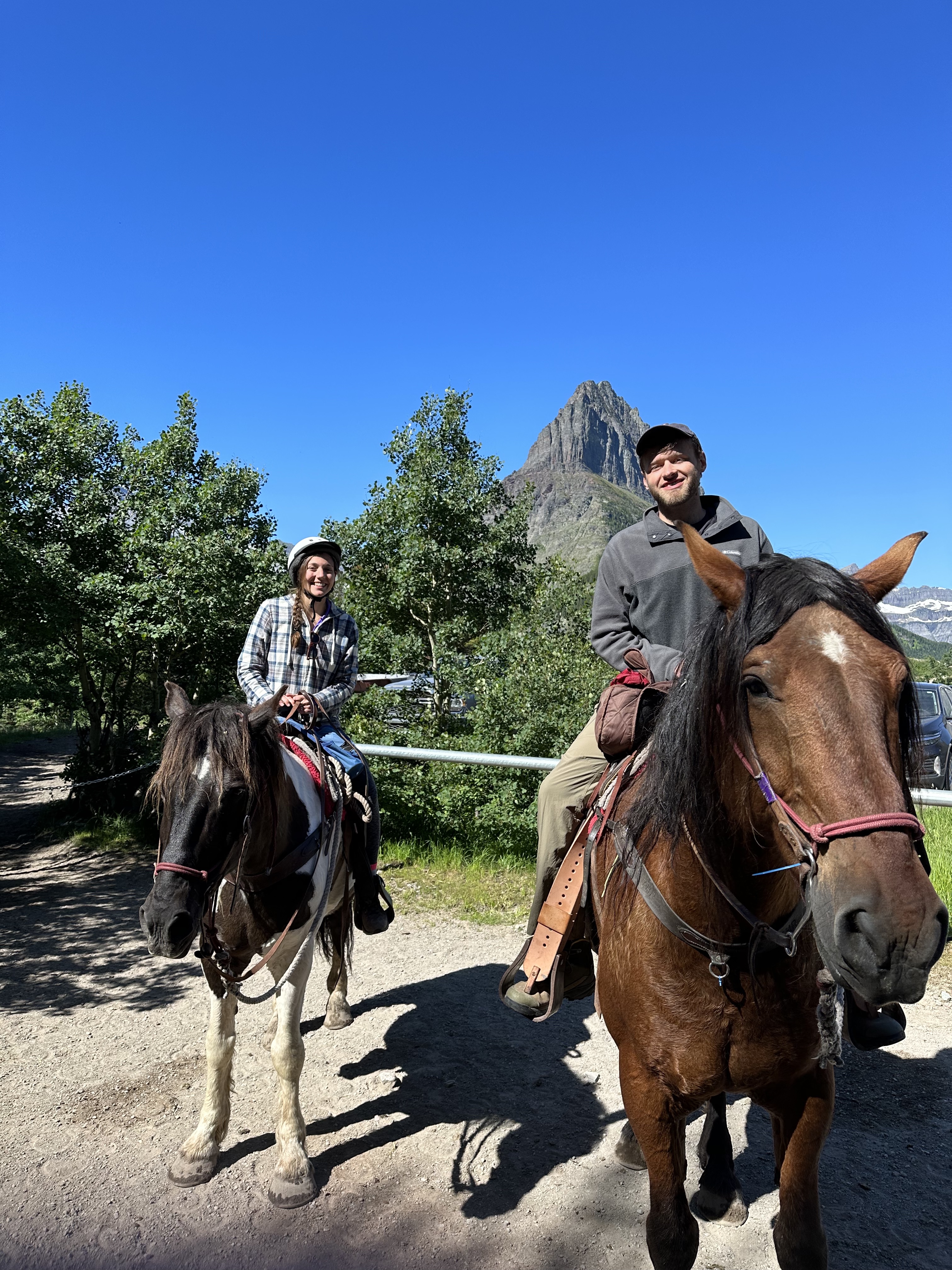
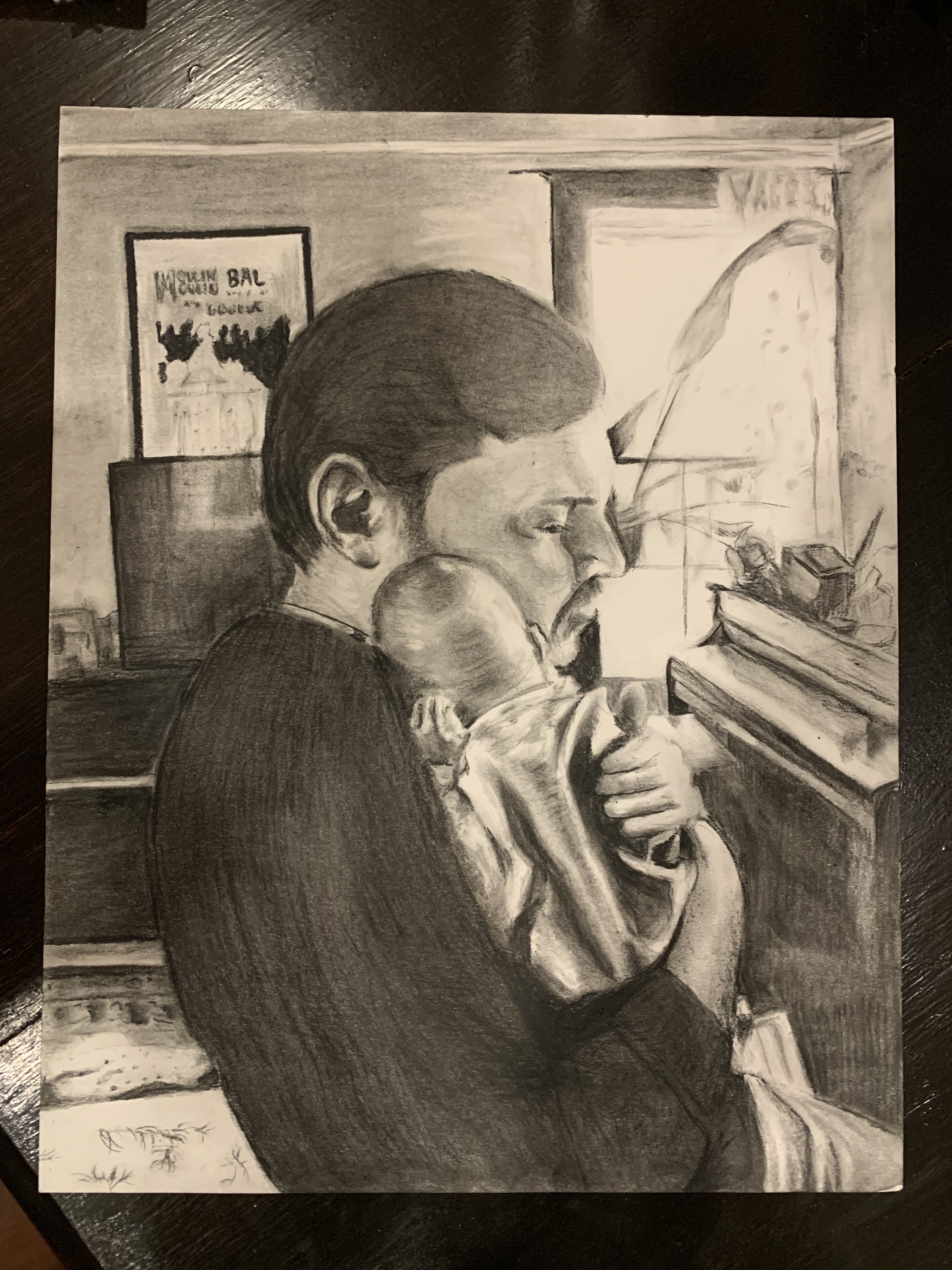
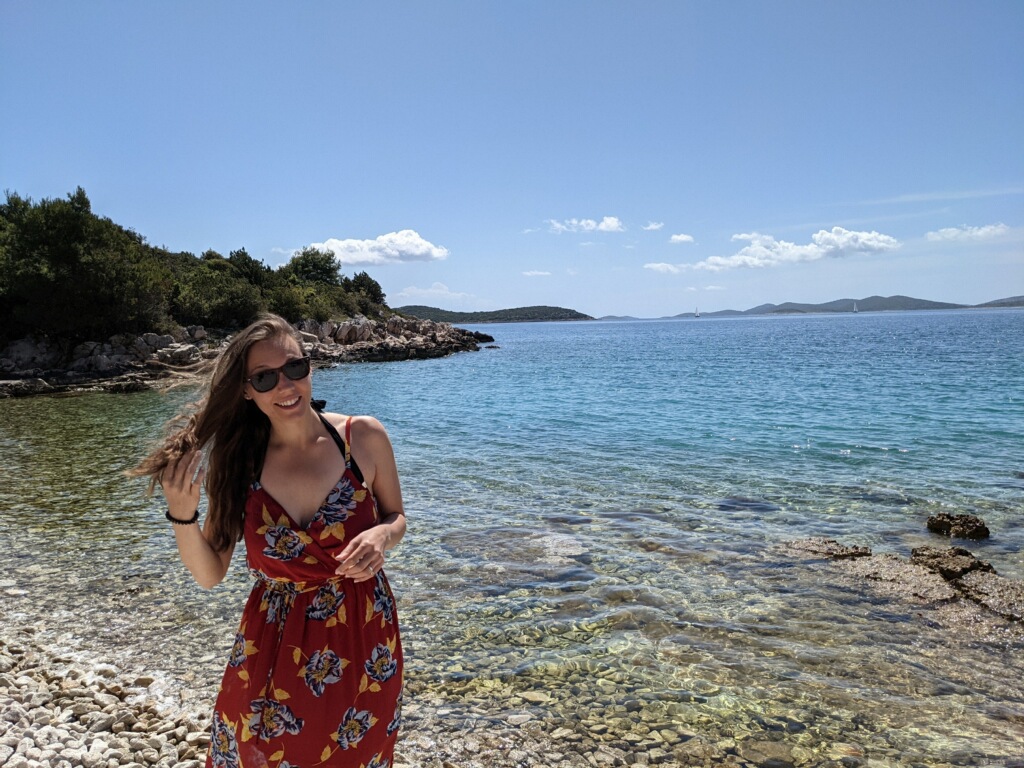
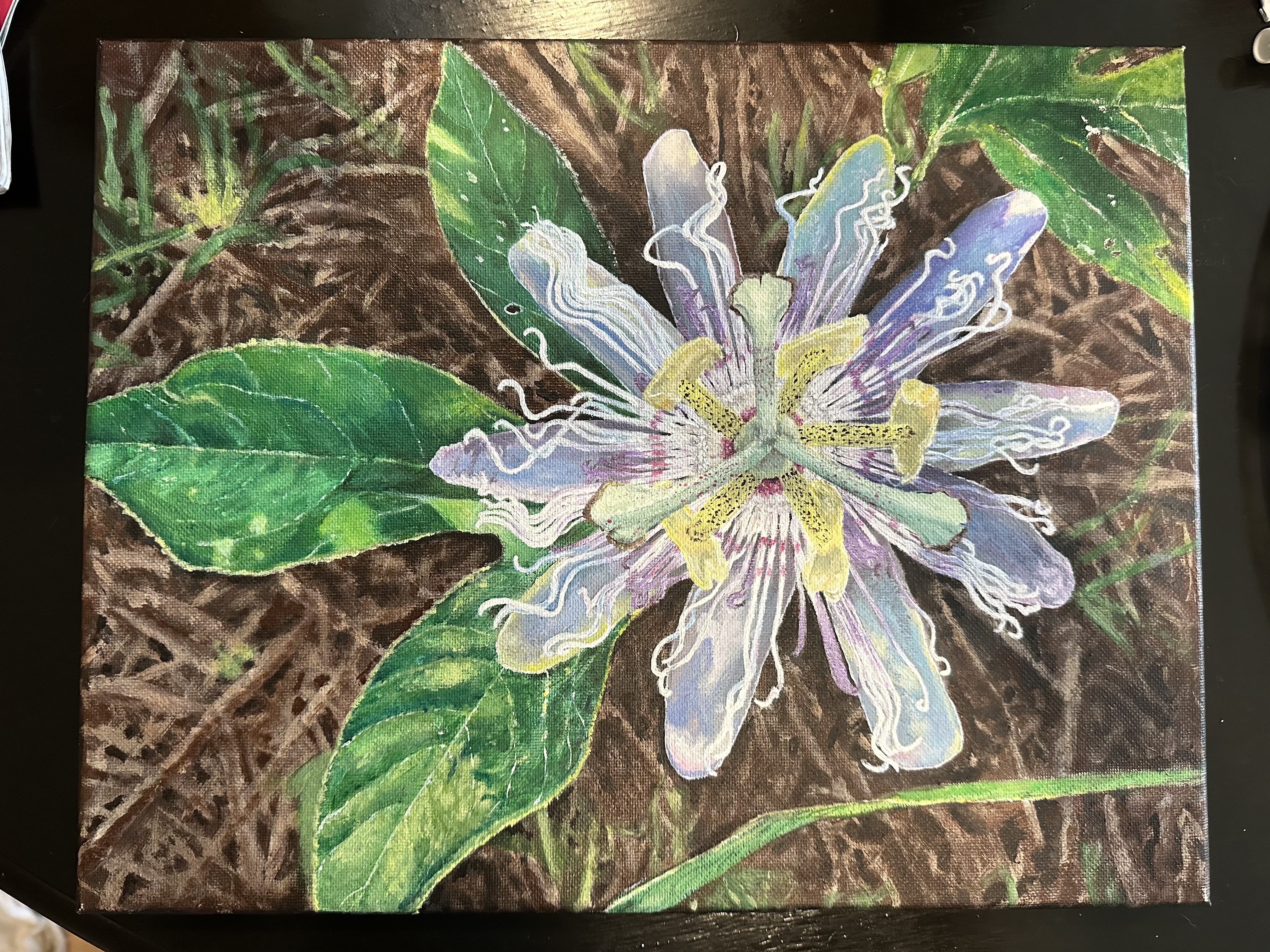
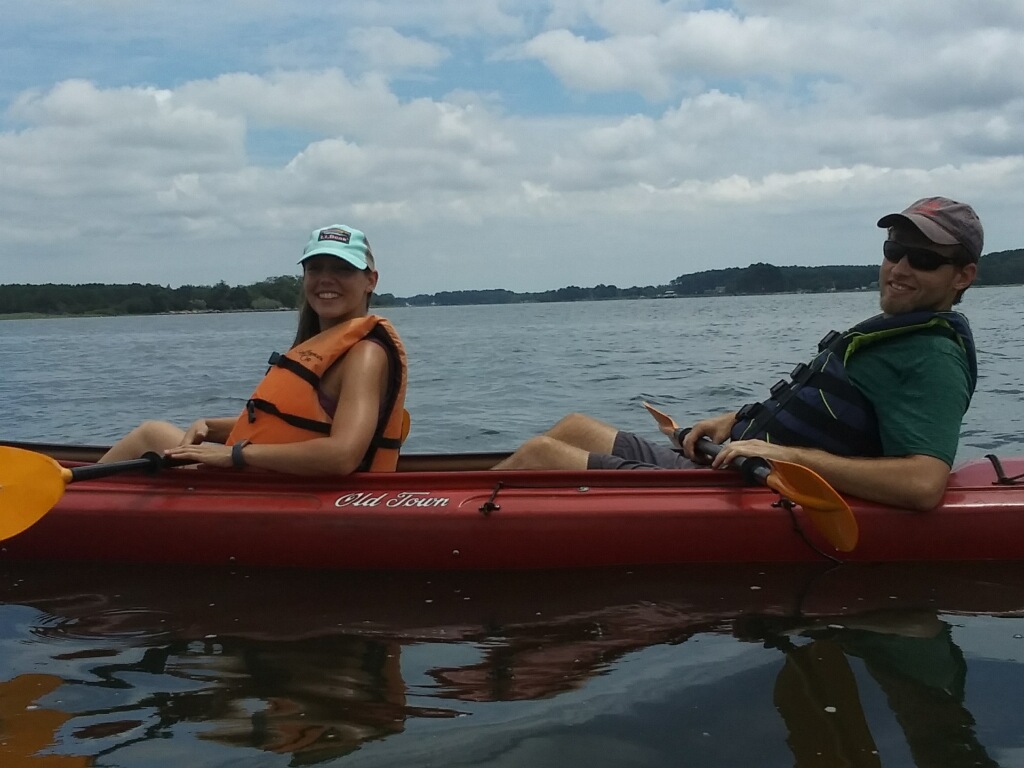
    I've spent time in 44 US states, 3 Canadian providences, and 14 countries across 3 continents - I'd love to talk travel! Wherever I go, I'm most excited about tasting the food, meeting the locals, and getting into the national parks and wildlife areas. My husband, Connor, is my travel buddy and my biggest supporter (and is featured in many of my photos!). We dote on our two cats, Marvin and Trillian - named after Hitchhiker's Guide to the Galaxy. Outside of to travel and food, I play recreational softball, paint and draw, run races, and hang out with my friends and lab-mates.

    Contact Me

    I look forward to hearing from you!